
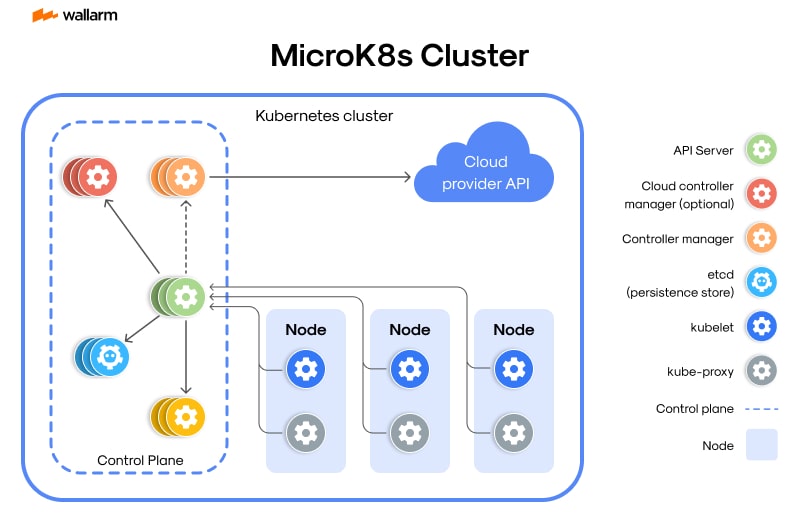
What is K3s and MicroK8s 2?
K3s and MicroK8s 2 are lightweight, CNCF-certified, and enterprise-grade Kubernetes distributions designed for a wide range of use cases, including edge, IoT, CI/CD, and development environments. They offer a robust, scalable, and highly available platform for deploying and managing containerized applications.
Key Features and Benefits
K3s and MicroK8s 2 provide a comprehensive set of features, including automated backups, disaster recovery, and data protection policies, making them ideal for organizations that need to ensure the integrity and availability of their critical applications and data.
Understanding the Importance of Backup and Retention Policies
Why Retention Policies Matter
Retention policies play a crucial role in ensuring that backups are properly managed and retained, enabling organizations to meet regulatory requirements, recover from disasters, and maintain business continuity. K3s and MicroK8s 2 provide advanced backup and retention policy management capabilities, allowing users to define and enforce data protection policies that meet their specific needs.
Incremental and Synthetic Full Backup Tutorial
To create an incremental backup in K3s and MicroK8s 2, users can follow these steps:
- Create a new backup job and select the incremental backup type.
- Configure the backup job to run at regular intervals, such as daily or weekly.
- Specify the retention policy for the backup job, including the number of backups to retain and the duration of retention.
Synthetic full backups, on the other hand, create a full backup from a series of incremental backups, reducing the storage requirements and improving backup efficiency.
Installation and Configuration Guide
System Requirements
Before installing K3s and MicroK8s 2, users should ensure that their system meets the following requirements:
| Component | Requirement |
|---|---|
| Operating System | Linux or Windows |
| CPU | 2 cores or more |
| Memory | 4 GB or more |
| Storage | 50 GB or more |
Installation Steps
To install K3s and MicroK8s 2, users can follow these steps:
- Download the installation package from the official website.
- Extract the package contents to a directory on the system.
- Run the installation script, following the prompts to complete the installation.
Comparing K3s and MicroK8s 2 to Acronis
Key Differences
K3s and MicroK8s 2 differ from Acronis in several key areas, including:
- Scalability: K3s and MicroK8s 2 are designed to scale horizontally, making them more suitable for large, distributed environments.
- Security: K3s and MicroK8s 2 provide advanced security features, including network policies and secret management.
- Support: K3s and MicroK8s 2 offer community-driven support, while Acronis provides commercial support.
Best Practices for Offsite Copies and Immutability
Keeping Air-Gapped Copies Clean
To maintain the integrity of air-gapped copies, users should follow these best practices:
- Use a secure, offline storage location for air-gapped copies.
- Implement access controls and encryption to protect air-gapped copies.
- Regularly verify the integrity of air-gapped copies using checksums or digital signatures.
Locking Down Integrity Checks
To ensure the integrity of backups, users should implement the following measures:
- Use checksums or digital signatures to verify the integrity of backups.
- Implement access controls and encryption to protect backups.
- Regularly test backups to ensure they can be restored successfully.
FAQ
Frequently Asked Questions
Here are some frequently asked questions about K3s and MicroK8s 2:
- What is the difference between K3s and MicroK8s 2?
- How do I install K3s and MicroK8s 2?
- What are the system requirements for K3s and MicroK8s 2?
For more information, users can refer to the official documentation and community forums.